Conservation Areas Workshop 2025
Inspiration and Innovation Awards
2025 Awards Submissions
2025 AWARD CRITERIA
Each Project must align with one of the following Pillars of the Conservation Areas Workshop:
People - Projects showcasing leadership: recognizing projects that showcase leadership in conservation efforts, fostering collaboration and community engagement.
Planning - Projects showcasing excellence: highlighting projects that demonstrate outstanding planning processes, forward-thinking strategies, and effective implementation.
Places - Projects showcasing impact: recognizing projects that have made a significant difference in the conservation and preservation of natural spaces.
Please note, each submission must be entered into only one category, though teams may submit up to two different plans, projects, programs, tools, processes, or reports. All submissions must have been published, implemented, or completed within three years of the submission date.
Both winners will receive a 50% discount on one of their CA staff’s 2026 Conservation Areas Workshop registrations!
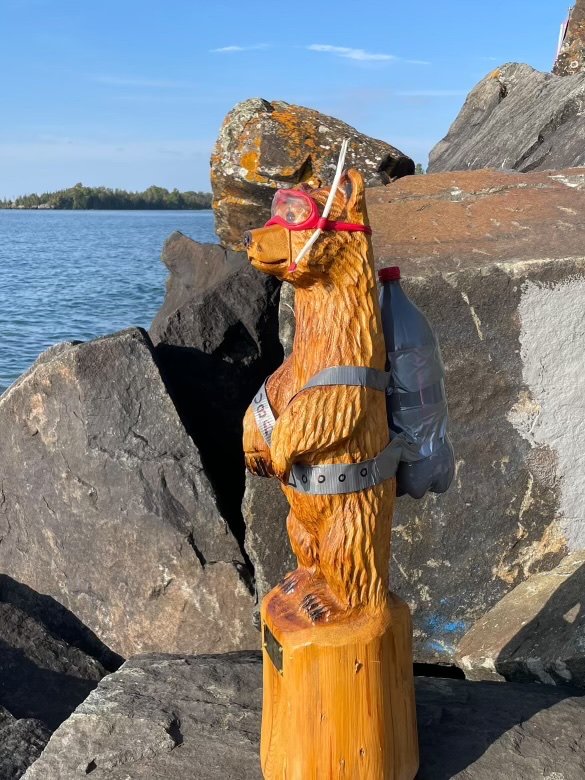
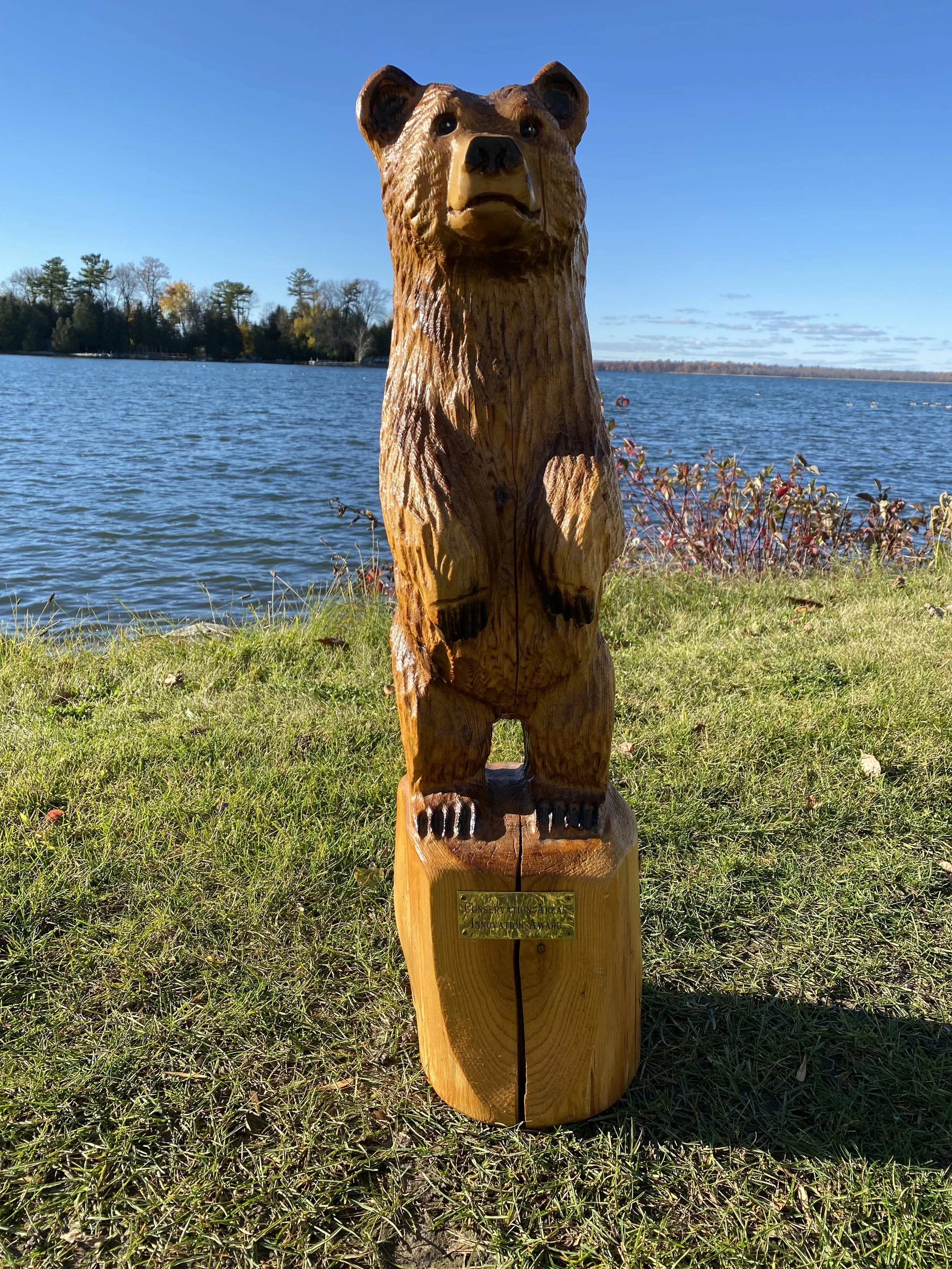
The Innovation Bear Award will be awarded to the submission that demonstrates the most leadership, excellence and impact in innovation and will be awarded by the Conservation Areas Workshop Committee.
The Inspiration Owl Award winner will be chosen by workshop attendees, who will vote for the submission that provides the most inspiration for positive change.
The Basadinaa Experience Trail
Submitted by: Hamilton Conservation Authority
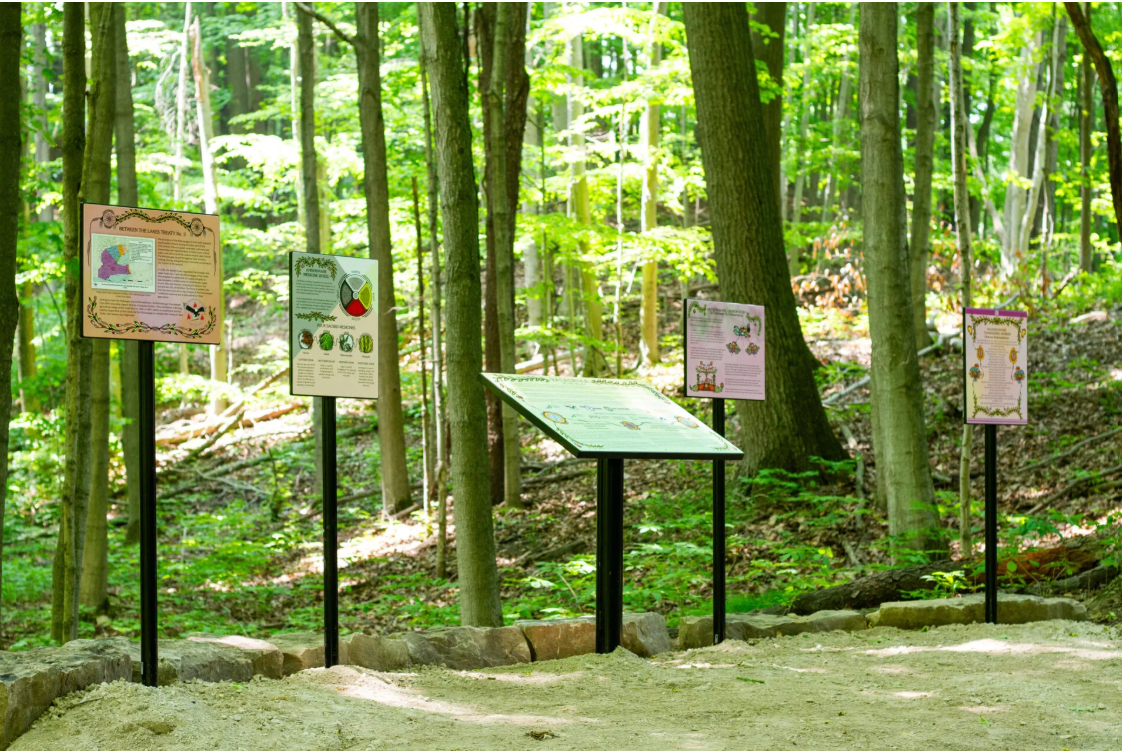
The Basadinaa Experience trail was developed to address the challenge of creating meaningful opportunities for reconciliation and cultural learning in a conservation area setting. Many visitors to Dundas Valley Conservation Area were unaware of the deep cultural and historical connections Indigenous communities have with the land. The project sought to bridge this gap by providing a space where visitors could reflect, learn, and build understanding.
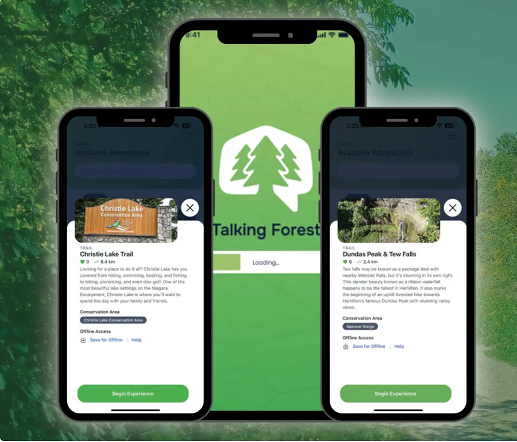
About the Project: The “Talking Forest” mobile trail app was developed to address the challenge of engaging visitors in meaningful outdoor education. Traditional interpretive signage often falls short in accessibility and reach, leaving gaps in how people connect with ecology, history, and conservation messages. The project set out to create an innovative, hands-free tool that would make learning in nature more inclusive, inspiring, and interactive.
Challenge or Issue: Working closely with Indigenous partners and knowledge holders, Hamilton Conservation Authority co-created a self-guided interpretive trail rooted in respect and authenticity. The name Basadinaa, meaning “in the valley” in Anishinaabemowin, reflects both the physical landscape and the cultural grounding of the project. Interpretive panels along the trail share oral teachings, treaty history, and cultural knowledge, encouraging visitors to consider the land’s Indigenous past and present.
Pillar Category: PLACES
Dundas Valley Conservation Area is now more than a destination for recreation — it is also a living classroom and a site of cultural connection. The Basadinaa Experience sets a benchmark for how conservation lands can serve as spaces of reconciliation, transforming outdoor experiences into opportunities for understanding, respect, and shared stewardship.
Successes and Achievements: The outcome has been innovative and inspiring across People, Planning, and Places. People: Visitors of all ages are invited into a deeper awareness of Indigenous history and stewardship, fostering reflection and dialogue. Planning: The project is a model of inclusive planning, with Indigenous voices guiding the development process and shaping the narrative presented to the public. Places: Dundas Valley Conservation Area is now more than a destination for recreation — it is also a living classroom and a site of cultural connection.
The Basadinaa Experience sets a benchmark for how conservation lands can serve as spaces of reconciliation, transforming outdoor experiences into opportunities for understanding, respect, and shared stewardship.
1.
The “Talking Forest” Mobile Trail app
Submitted by: Hamilton Conservation Authority & Kawartha Conservation
About the Project: The “Talking Forest” mobile trail app was developed to address the challenge of engaging visitors in meaningful outdoor education. Traditional interpretive signage often falls short in accessibility and reach, leaving gaps in how people connect with ecology, history, and conservation messages. The project set out to create an innovative, hands-free tool that would make learning in nature more inclusive, inspiring, and interactive.
Challenge or Issue: Launched in September 2025, the GPS-driven app automatically triggers audio stories, images, and captions as visitors explore, turning a simple hike into an immersive learning journey. By offering content in a format that is engaging and barrier-free, the app overcomes accessibility challenges and connects people of all ages with hidden layers of ecology, geology, and cultural history.
Pillar Category: PEOPLE
A key achievement lies in the collaboration between Hamilton Conservation Authority and Kawartha Conservation Authority, who pooled resources, knowledge, and technical expertise. Staff from both organizations voiced the stories themselves, ensuring authenticity and a personal connection to the land. This innovative approach reflects thoughtful planning, inspires people to learn and explore, and enhances places by transforming conservation areas into living classrooms.
Successes and Achievements: The project’s outcome is a scalable, replicable platform that sets a new benchmark for conservation engagement. It not only enriches visitor experiences but also demonstrates leadership in using technology to inspire stewardship, accessibility, and a lasting appreciation for the natural world.
2.
The Pollinator Garden Project at Terra Cotta
Submitted by: Credit Valley Conservation
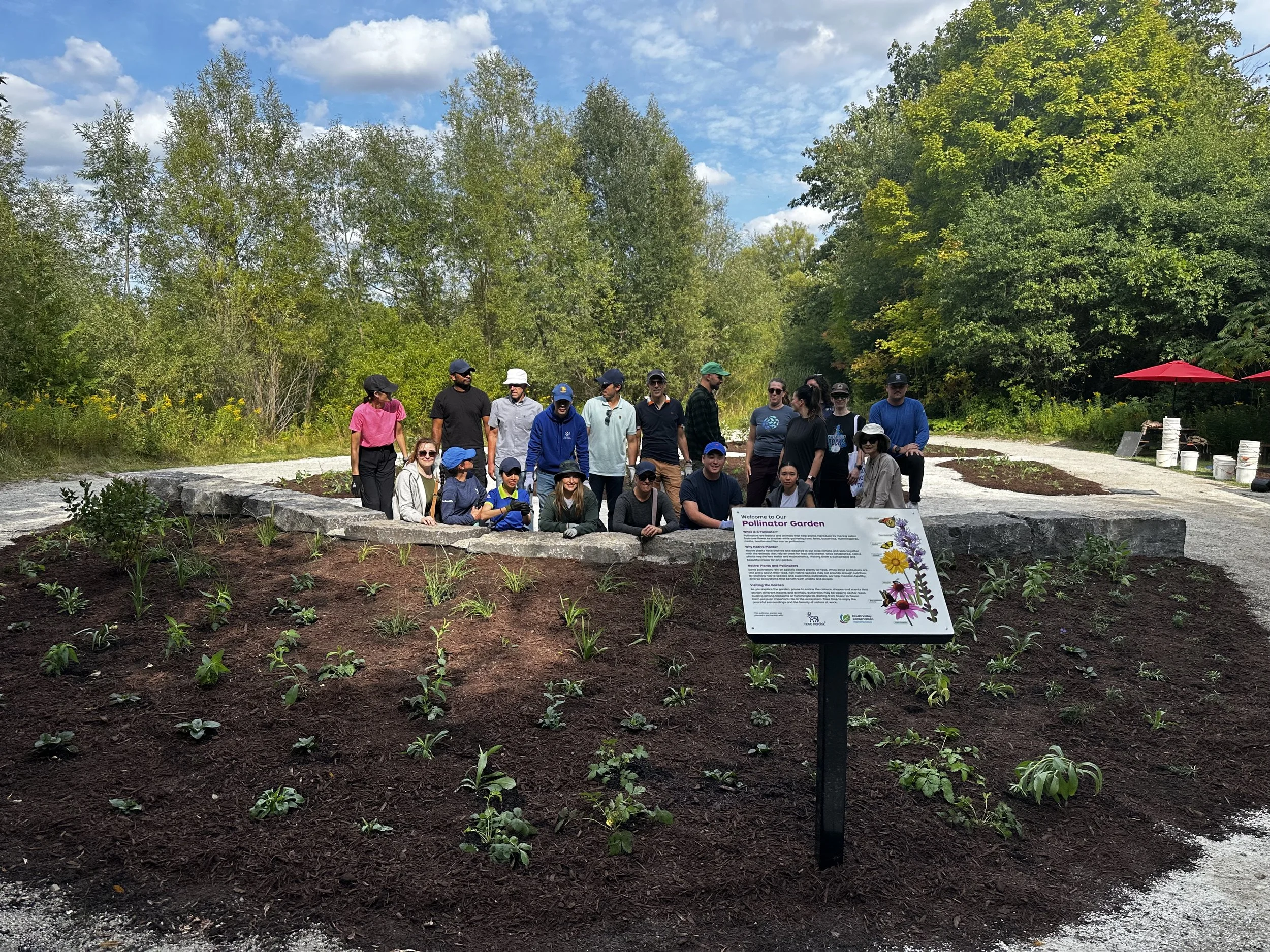
About the Project: The pollinator garden project at Terra Cotta Conservation Area, generously sponsored by Novo Nordisk, showcases the positive impact of corporate partnerships in promoting environmental stewardship. By investing in this initiative, Novo Nordisk not only supported the creation of an innovative and inclusive space but also engaged its employees in hands-on restoration activities that fostered a lasting impact on both the environment and the community.
This garden is an inviting destination that enhances the visitor experience through accessibility, education, and a connection with nature. It features various areas planted with native species chosen to attract pollinators and highlight the important role of biodiversity. This beautiful new addition to Terra Cotta Conservation Area provides an excellent setting for visitors to learn about and enjoy native plants. A large raised bed ensures accessibility for wheelchair users and accommodates park visitors of all walks of life, while durable armor stone seating and interpretive signage enrich the space, making it welcoming and educational for everyone.
To promote inclusivity, CVC staff are collaborating with the Halton Hills Accessibility Committee to design features that cater to the diverse needs of community members. This project serves as a model for how organizations, community partners, and corporate groups can work together to create accessible, sustainable, and meaningful spaces that inspire environmental awareness and action. Once completed, the pollinator garden will offer a place where people, pollinators, and environmental education can thrive.
Challenge or Issue: One challenge we faced was connecting with the Halton Hills Accessibility Committee within our timeline for phase 1 of the project. As a result, the tactile element that Novo Nordisk was particularly excited about has been postponed until phase 2 in 2026. We believe it’s important to gather meaningful community feedback rather than make assumptions about what should be included. We also encountered a few small scheduling issues with Novo Nordisk along the way. However, the stewardship event ultimately went off without a hitch, and all other project components were successfully completed, providing Novo Nordisk with a truly rewarding and engaging experience.
Pillar Category: PEOPLE
The project was a collaborative effort that brought together staff from multiple teams and partners. Community Outreach, Capital Projects, and Marketing and Communications staff from CVC worked closely with Novo Nordisk employees and members of the Halton Hills Accessibility Committee to design and implement the pollinator garden. Each group contributed unique expertise ranging from ecological design and community engagement to accessibility and public awareness. This collaboration ensured the project not only supported biodiversity but also reflected shared values of inclusion, education, and environmental stewardship, resulting in a meaningful and accessible space for park users.
Successes and Achievements: What started as a vision to enhance biodiversity and enrich visitor experiences grew into a truly collaborative effort involving corporate sponsorship, dedicated staff from across teams, and valuable community input. With Novo Nordisk’s support and active involvement, the project became more than an investment; it transformed into a meaningful opportunity for people to connect with nature, learn about pollinators, and take pride in advancing environmental stewardship.
Despite facing challenges along the way, the project team’s commitment to collaboration resulted in creating a vibrant and inclusive space. This project demonstrates the impact that can be achieved when individuals come together to protect the environment.
3.
Tisdale Conservation Area
Submitted by: Catfish Creek Conservation Authority
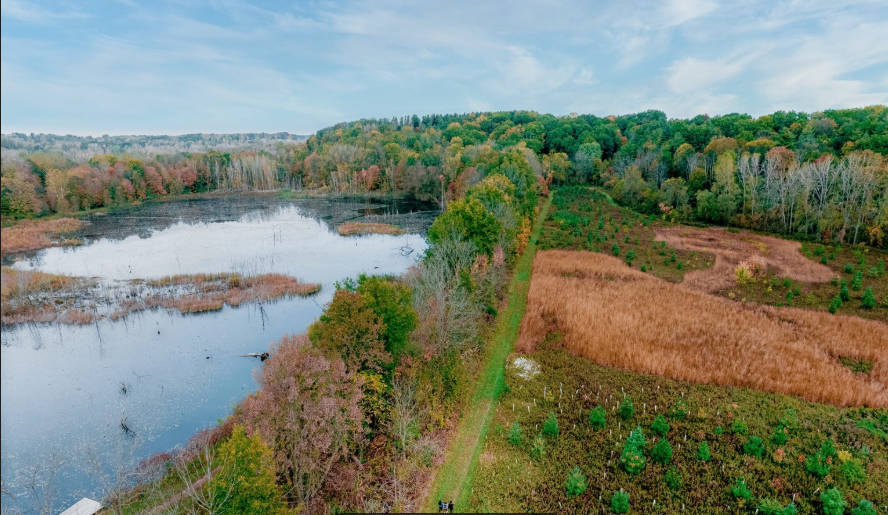
About the Project: The 50.19 acre Tisdale Conservation Area, owned and managed by the Catfish Creek Conservation Authority (CCCA), is a prime example of how donated land can be transformed into a protected natural space for both environmental preservation and public enjoyment. Originally donated with the intention of conserving its natural features, the Tisdale property has since been carefully stewarded to support native ecosystems, protect wildlife habitat, and provide accessible green space for the community.
Nestled within the Catfish Creek watershed, the area features a mix of forested trails, meadows, and wetlands that play a vital role in maintaining regional biodiversity. It offers a quiet refuge for a variety of wildlife, including deer, songbirds, amphibians, and pollinators. The CCCA has worked diligently to preserve the ecological integrity of the site, while also creating opportunities for low-impact recreation such as hiking, birdwatching, photography, and environmental education.
The Tisdale Conservation Area stands not only as a peaceful escape into nature, but also as a testament to the lasting impact of land conservation partnerships.
Through the foresight of the original land donors and the stewardship of the Catfish Creek Conservation Authority, this area will remain protected for future generations to explore, appreciate, and enjoy, a living legacy that balances ecological preservation with community connection to the natural world.
Challenge or Issue: The donation of the Tisdale property came with several challenges. One major concern was ensuring long-term ecological protection while making the land accessible to the public. Initial assessments revealed areas affected by invasive species and past land use, requiring careful restoration planning. Funding for maintenance, signage, and trail development posed another hurdle, as ongoing stewardship costs were not included in the donation. Additionally, balancing public access with conservation goals required thoughtful infrastructure placement to avoid disrupting sensitive habitats. Despite these challenges, collaboration between the Catfish Creek Conservation Authority and community partners helped overcome obstacles and realize the land’s full potential.
Pillar Category: PLACES
The donation of the Tisdale property sparked meaningful environmental impact and innovative conservation practices. It expanded the Catfish Creek Conservation Authority’s protected lands, enhancing habitat connectivity and biodiversity within the watershed. The site became a model for balancing ecological preservation with public engagement, using sustainable trail design and low-impact infrastructure to minimize disturbance. Innovative restoration techniques, including native species planting and invasive species management, revitalized degraded areas. Ultimately, Tisdale became a catalyst for conservation innovation and a valued natural space for all.
Successes and Achievements: The Tisdale Conservation Area stands out as a landmark project that has made a significant and lasting impact on conservation and preservation efforts within the Catfish Creek watershed. By converting donated land into a protected natural space, the project effectively safeguarded critical habitats, including woodlands, and meadows, which serve as vital refuges for diverse plant and animal species. The site’s thoughtful restoration initiatives, such as invasive species control and native planting have revitalized degraded ecosystems, improving biodiversity and watershed health. Moreover, the project excelled in community engagement by creating accessible trails that foster a deep connection between people and nature, inspiring stewardship and ongoing conservation efforts. The innovative planning balanced ecological integrity with public enjoyment, demonstrating sustainable land management practices that serve as a replicable model for other conservation authorities. Overall, the Tisdale Conservation Area project exemplifies impactful conservation by preserving important natural landscapes, enhancing ecological resilience, and inspiring collective action toward environmental preservation.
4.
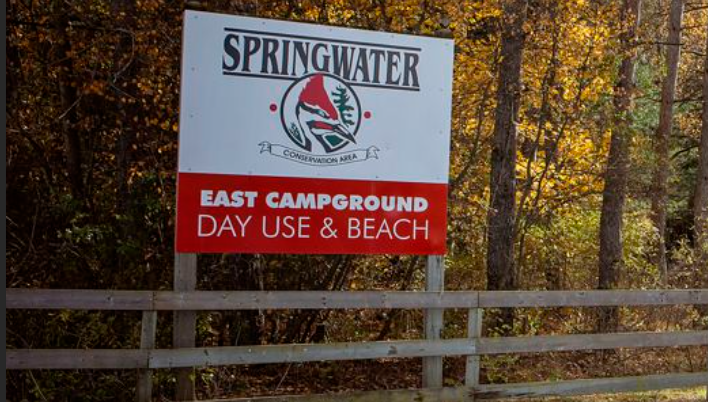
Springwater Conservation Area Wind Phone
Submitted by: Catfish Creek Conservation Authority
About the Project: The Springwater Conservation Area is a cherished natural space, valued for its serene environment and connection to the community. To enhance visitors’ experience and promote emotional well-being, we propose the installation of a wind phone, a simple, symbolic telephone booth that allows individuals to “speak” to lost loved ones, express emotions, or find solace in moments of reflection.
The wind phone concept originated in Japan and has since inspired installations worldwide as a therapeutic tool for grief and healing. Erecting a wind phone at Springwater Conservation Area provides visitors with a quiet, contemplative space amid nature, fostering mindfulness and emotional connection.
The project involves designing and constructing a weather-resistant, aesthetically fitting wind phone booth that complements the natural surroundings. It will be situated in a tranquil part of the conservation area, accessible yet private enough to encourage personal reflection. Materials will be sustainably sourced, and construction will prioritize minimal environmental impact.
Beyond the physical installation, informational signage will explain the purpose of the wind phone and encourage respectful use. Community workshops and events will be organized to raise awareness about mental health and grief support, aligning with the conservation area’s mission to promote well-being.
This initiative not only enriches the visitor experience but also strengthens community ties by offering a meaningful, supportive space. The wind phone will become a symbol of hope, connection, and healing, enhancing Springwater Conservation Area’s role as a sanctuary for both nature and the human spirit.
Challenge or Issue: The Wind Phone project faces several challenges, especially in balancing its presence with nature. Located in a serene, natural setting, the phone booth must blend harmoniously without disrupting the environment or wildlife. Weather conditions like strong winds, rain, and storms pose constant threats to the structure, requiring careful maintenance using eco-friendly materials. Accessibility remains a challenge, as building paths or signage can impact the surrounding landscape. Additionally, preserving the peacefulness of the site is crucial, so visitor numbers and behavior must be managed to avoid overcrowding or littering. Overall, the project strives to honor both human grief and nature’s tranquility.
Pillar Category: PEOPLE
We partnered with an anonymous donor whose generous support was vital in completing the Wind Phone project. Their funding allowed us to use sustainable materials and carefully preserve the natural surroundings. Throughout the collaboration, we communicated closely to ensure the project stayed true to its purpose, a peaceful space for reflection and healing. The donor chose to remain anonymous, keeping the focus on the community and the project’s meaning rather than personal recognition. This partnership balanced respect for the donor’s wishes with the need to protect and honor the environment, making the Wind Phone a meaningful, lasting tribute for all visitors.
Successes and Achievements: The overall outcome of the Wind Phone project for our watershed has been profoundly positive. It has created a unique, serene space that encourages healing and reflection while fostering a deeper connection to the natural environment. By integrating the structure thoughtfully within the watershed, the project promotes environmental awareness and respect for the local ecosystem. The Wind Phone has also strengthened community ties, serving as a place where people come together to honor loss and find solace. Its success lies in balancing emotional support with environmental stewardship, enhancing both human well-being and the health of the watershed. resilience, and inspiring collective action toward environmental preservation.
5.
Emergency Action Plan – Getting Help to Visitors Quickly
Submitted by: Lake Simcoe Region Conservation Authority
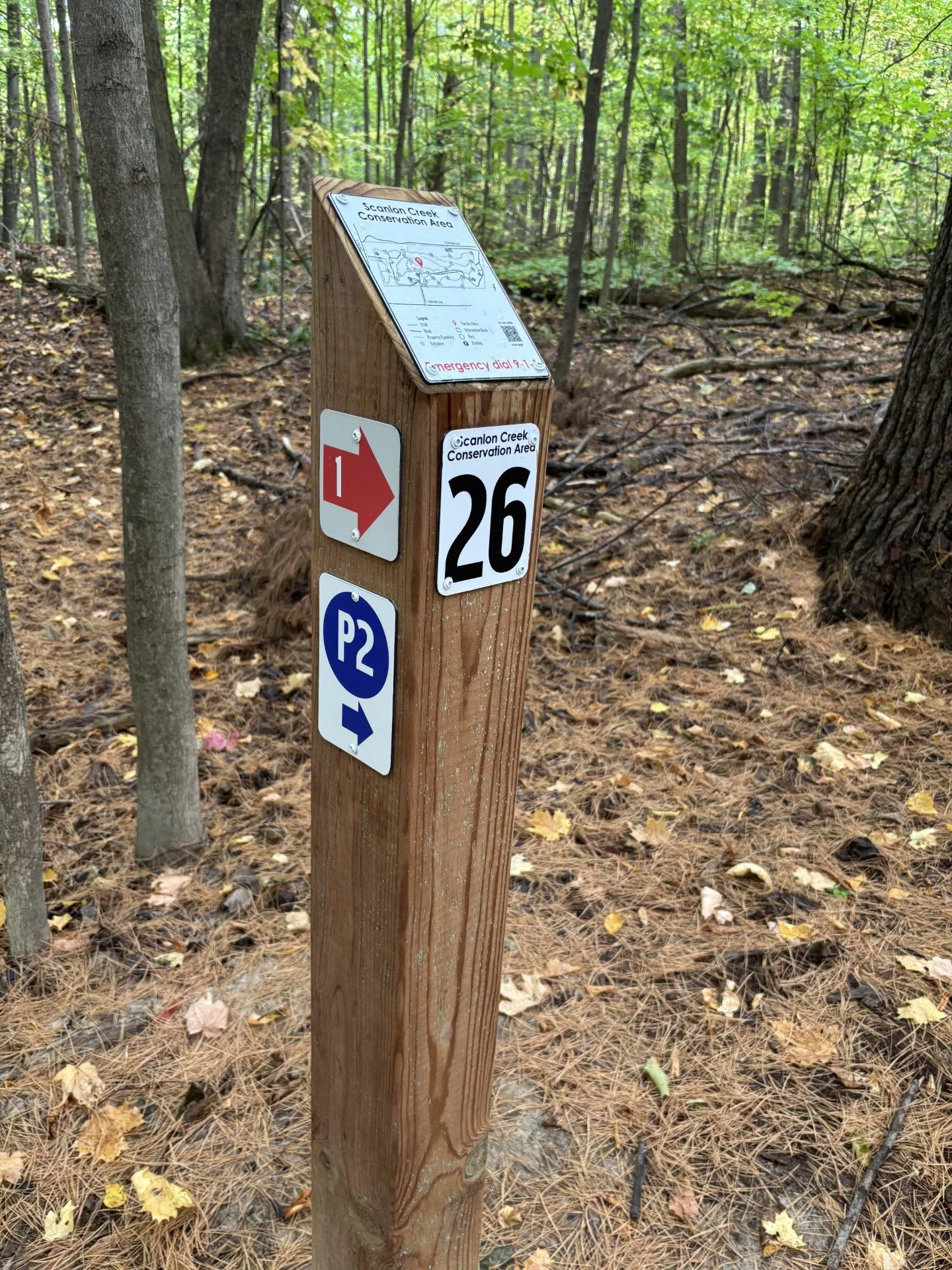
About the Project: The Emergency Action Plan (EAP) at Scanlon Creek Conservation Area was developed for staff and first responders to locate visitors in need of help quickly, within the 300-hectare property. Expanding from existing best practices, visual aids were developed to help visitors to reference their location throughout the conservation area. Together with local emergency service providers, the project team at LSRCA implemented and integrated system of signs, posts and mini-info kiosks for visitors to get the help they need quickly while at the conservation area.
About the Project:
The EAP plan was developed to provide a reference document for first responders to get to visitors in need quickly using any external access road/gate and the internal road network. The visual aids throughout the property support the EAP plan by allowing visitors to locate where they are in the 12km trail network, return to a parking lot or call for help. The visual aids consist of a five (5) part signage plan that integrates with the EAP plan and includes:
911 roadside signs installed at all road access points
External and internal road gates with a unique number and nearest address info
Building/Infrastructure Name signs, installed on all buildings/infrastructure
Get Out Quickly – Posts – unique number, full CA map, direction to next post and parking lot
Mini Kiosk – Includes property map, all post locations, parking lots and trail system details.
Challenge or Issue: One of the top comments in visitor surveys for Scanlon Creek CA was the need for more maps and better trail wayfinding in the trail network. Visitors often said getting lost and unable to return to their parking lot quickly was concerning. In addition, first responders have stated that the trail network is a “maze” to navigate quickly. Improving several levels of signage helps to keep visitors found and the key is the “Get Out Quickly Posts” to support visitors, staff and first responders.
Pillar Category: PEOPLE
The system solutions were an internal success building off the lessons learned by the LSRCA Forestry team that manage the Durham Region Forest - Main Tract, with location posts version 1.0 in that system. The LSRCA Lands team then collaborated with the GIS and Communications team to map and design the sign system. The Emergency Action Plan was vetted with Bradford West Gwillimbury first responders to fine tune their response efforts and link it to their dispatch teams. Finally scenarios were run with the internal Joint Health and Safety Committee to test the system.
Successes and Achievements: While the innovations regarding this project are many, the success is for the People – our CA visitors, staff and first responders safety. By asking for more mapping and better wayfinding, visitors to Scanlon Creek Conservation Area are now able to confidently choose their own adventure on any trail, knowing that the sign improvements will help them return to their parking area of choice quickly if they need to. In the event of an emergency, a visitor is now able to locate themselves within the system using named gates, buildings and/or the “Get Out Quickly” posts, calling in help as needed. First Responders can enter the road and trail systems navigating quickly to trail system entry points each with their own mini trail kiosk locating visitors using the numbered system. In addition, the 12km trail network now has a reference system. Trail inspections, maintenance issues and hazard conditions can now be aligned with the nearest EAP post, improving staff efficiency in addressing challenges. This project solved many wayfinding challenges by looking at the problem differently, not to keep visitors in the trail system through wayfinding, but to help them get out quickly when they need to, while supporting first responders to find our people faster.
6.
The Healing Place
Submitted by: South Nation Conservation Authority
About the Project: Created through collaboration between the Healing Place Working Group, the Eastern Ontario First Nations Working Group, and South Nation Conservation, The Healing Place is a sacred, living site for remembrance, education, and healing. Situated on the traditional territories of the Algonquin and Mohawk Nations in Shanly, Ontario, it honours relationships and cultivates new ones—bringing together Indigenous Peoples, Canadians, and creation in mutual respect.
The site’s design, guided by Indigenous knowledge and Western ecological science, reflects the teachings of the Medicine Wheel and includes several hundred culturally significant trees, shrubs, and plants. A Three Sisters Garden—corn, beans, and squash—is planted annually by local high schools and schools from Akwesasne, accompanied by traditional drumming and ceremony.
The site’s circular signage, featuring partner logos displayed in an equal ring, symbolizes shared leadership and balance in decision-making. The project is collaboratively supported and funded
through the Healing Place Working Group and South Nation Conservation’s member municipalities, demonstrating a shared commitment to reconciliation, environmental restoration, and community well-being.
Since its creation, The Healing Place has continued to expand through new partnerships, annual plantings, ceremonies, and educational activities led by youth and Indigenous knowledge keepers. It demonstrates how conservation areas can become spaces for reconciliation, learning, and healing—where restoring ecosystems and relationships go hand in hand.
Challenge or Issue:
Before The Healing Place began, conservation and reconciliation often existed in separate spaces. The challenge was to unite Indigenous and non-Indigenous partners to co-create something that embodied both: a shared place of healing, learning, and ecological restoration. We had to build trust, bridge worldviews, and ensure cultural teachings and ceremony guided every decision. The process transformed traditional project delivery into a relationship-based model for conservation grounded in ceremony, reciprocity, and mutual learning—demonstrating how environmental stewardship can also be an act of relationship renewal and collective healing.
Pillar Category: PEOPLE
The Healing Place was realized through deep collaboration among Indigenous and non-Indigenous partners via the Eastern Ontario First Nations Working Group, South Nation Conservation, Forests Ontario, Forests Canada, Ontario Power Generation, TD Friends of the Environment, member municipalities, and local schools. The governance model is grounded in Algonquin and Haudenosaunee traditions of ceremony, consensus, and respect. Indigenous Elders and youth shared cultural teachings; conservation staff contributed ecological expertise; and schools mobilized students to learn through action. This consensus-based approach, guided by ceremony rather than hierarchy, has since informed how partners engage in other shared land and stewardship projects.
Successes and Achievements: The Healing Place represents a living expression of reconciliation—where culture, community, and conservation meet.
People: More than 1,000 participants have taken part in ceremonies, plantings, storytelling, and educational events. Each gathering begins in ceremony, honouring the land, ancestors, and teachings, ensuring stewardship remains rooted in respect and relationship. Events are multilingual—held in English, French, Mohawk (Kanien’kéha), and Algonquin (Omàmìwininìmowin / Anishinàbemowin)—creating shared understanding and inclusion.
Planning: Guided by Indigenous knowledge, the site’s design follows the Medicine Wheel’s four directions and pillars of life: mental, spiritual, emotional, and physical. Indigenous teachings informed species selection, signage design, and engagement. The circular format of all interpretive signage reflects equality and shared purpose among partners.
Places: Several hundred culturally significant trees, shrubs, and native plants have been planted following a design by Indigenous environmentalist Chris Craig. The Three Sisters Garden—planted each spring by students from Akwesasne and nearby schools—embodies food sovereignty, language preservation, and curriculum-linked learning in partnership with local school boards.
Funding from multiple partners has leveraged thousands of volunteer hours and in-kind support, strengthening collective impact. The Healing Place will continue to evolve as a teaching landscape and gathering space, guided by Indigenous leadership and community stewardship—a true model of innovation in conservation.
7.
Take a look at 2024’s Innovative & Inspiring Submissions…
Fifty Point Conservation Area Clean Marine Eco Rating Award | Hamilton Conservation Authority
Seeds for Conservation | Lakehead Region Conservation Authority
Conservation Area Trail Stewards (CATS) | Central Lake Ontario Conservation Authority
Reawakening Event Series | Niagara Peninsula Conservation Authority
Check out past Award Winners…
2023 Innovation Award Winner
Lakehead Region Conservation Authority
Silver Harbour Dive Park
Exploring nature and our cultural heritage goes beyond the terrestrial boundaries. The LRCA has developed an underwater dive park to allow visitors to discover the underwater world of Lake Superior. Below the surface of Silver Harbour CA are several shipwrecks, sunken to develop an underwater scuba diving attraction and create fish habitat. Increasing concerns of swimmers and divers around the boat launch and docking area prompted the development of Silver Harbour Dive Park. The project was focused on developing a safe entrance that enables divers to directly access the underwater shipwrecks to accommodate the recreational needs of all visitors. The LRCA is the only Conservation Authority to have an official dive park in a conservation area. The project amplified an asset at the CA, rather than prohibiting activities and limiting recreational opportunities, as scuba diving has been deemed a permitted activity.
The LRCA strives for excellence in each conservation area by planning and developing unique recreational opportunities for Lakehead Watershed residents. The Silver Harbour Dive Park project demonstrates implementation excellence as it was sustainably designed with consideration for shoreline erosion, functionality, and aesthetics. The long-term goal is to work with Thunder Country Diving to maintain and upgrade the dive park by adding eco-friendly installations that are also beneficial to freshwater fauna.
2022 Innovation Award Winner
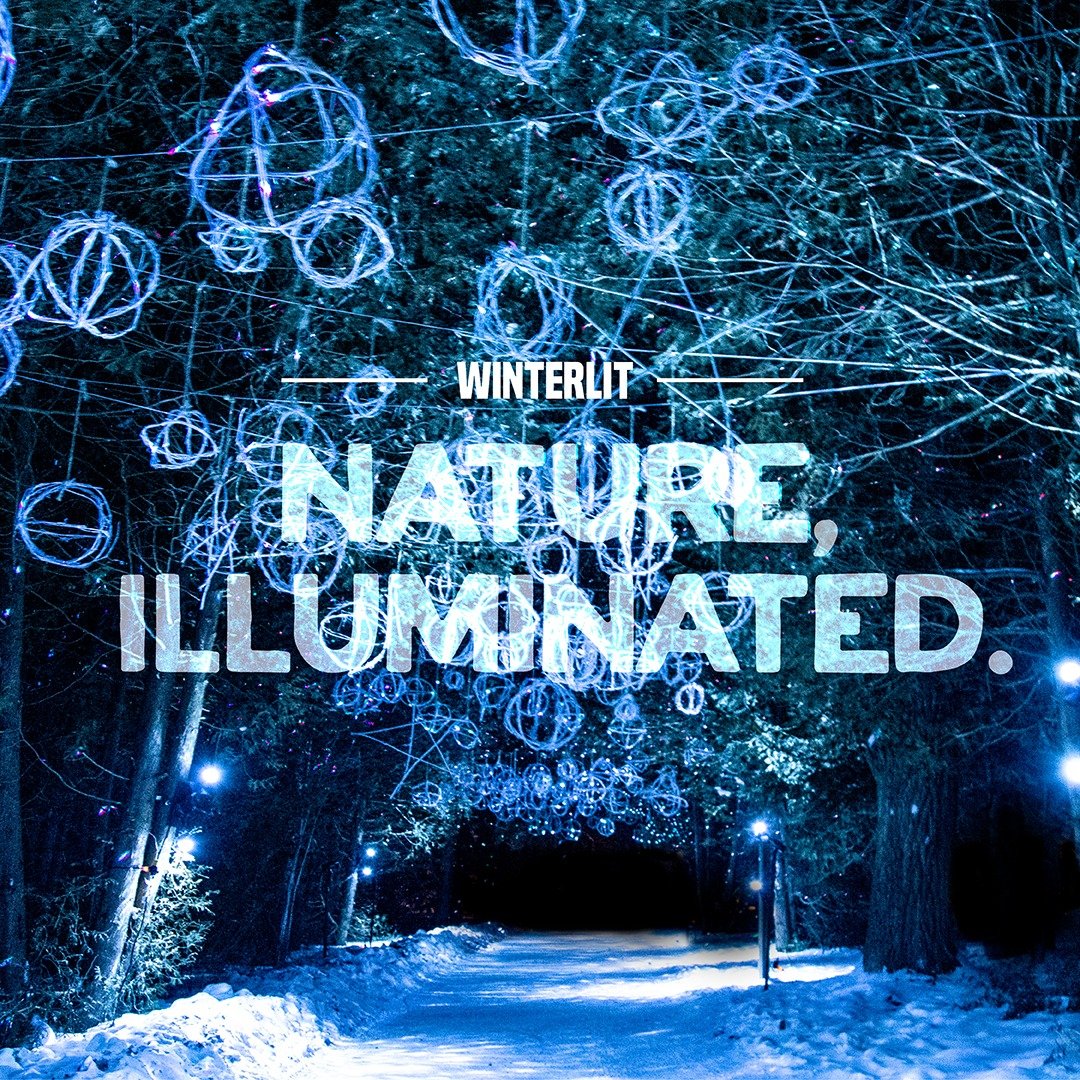
Conservation Halton - Winterlit
About Winterlit:
Things move a little slower at Mountsberg in the winter; the city lights are far away, it’s so quiet you can hear the snow crunch beneath your boots, and you can take a breath of relaxation in the cool, crisp air. Winterlit is all about reconnecting with yourself, family, and friends in the beauty of nature. Experience the inspiring winter magic of Mountsberg from beneath a breathtaking display of lights at our award-winning event. Enjoy a moonlit stroll along two different paths featuring sustainably sourced, illuminated, art installations. Get cozy next to the bonfire as you take in the crisp air and the glow of smiling faces of family and friends while reflecting on the serenity natural spaces have brought us throughout the year.